
Curriculum (A-Levels)
At The Writing Studio, our A-Level English programme is designed to help students achieve academic excellence through the development of advanced reading, writing and critical thinking skills. The curriculum emphasizes textual analysis, interpretation, and independent thinking, allowing students to engage deeply with both literary and non-literary texts.
Through structured lessons, personalized feedback and focused exam preparation, students gain the confidence and skills needed to excel in essays, commentaries and oral assessments.
The programme not only prepares students for A-Level examinations but also equips them with strong analytical and communication skills that are essential for higher education and beyond.
A-Levels at a glance:
Comparative & Contextual Study
Analyze themes, structure, style, tone, and language techniques in depth.
Independent Learning & Research
Reading & Textual Analysis
Analyze a wide range of literary and non-literary texts
Understand themes, context, and authorial intent
Examine language, style, structure, and tone
Speaking & Listening
Build confidence in presentations and discussions
Express ideas fluently and persuasively
Develop analytical and interpretative speaking skills
Engage in debates and group discussions on texts
Key Components of the A-Levels English Curriculum
Writing
Write structured essays, commentaries, and creative pieces
Support arguments with evidence and textual references
Develop clarity, coherence, and persuasive expression
Practice advanced writing techniques for exams
Assessment Components
Internal assessments: essays, commentaries, oral presentations
External exams: essay-based papers and unseen text analysis
Regular feedback to track progress and improve skills
Focus on exam strategies, structure and evidence-based responses


Across all boards, special attention is given to:
Vocabulary Enhancement | Grammar Accuracy | Writing skills | Pronunciation and Spoken English
The content studied in A-Level English focuses on how writers use language, structure, and stylistic techniques to convey meaning and engage readers. Through detailed analysis of both literary and non-literary texts, students explore themes such as identity, power, morality, and society, while examining the influence of historical, cultural, and social contexts.
Techniques such as symbolism, imagery, tone, diction and narrative perspective are analyzed to understand how meaning is shaped. As a result, students develop advanced critical thinking, independent analytical skills, and the confidence to construct well-supported, coherent and persuasive arguments in both written and oral responses.
"I used to feel nervous during oral assessments and class discussions. Our mentor helped me develop speaking skills, express my ideas fluently, and engage confidently in debates. I feel prepared for every aspect of the exam."
Meera H.
★★★★★
“A-Level English can be daunting, but my son has improved significantly in both analytical and creative writing. The personalized feedback and focused practice have boosted his performance and self-assurance.”
Priya S.
Student Says
Parent Says
★★★★★
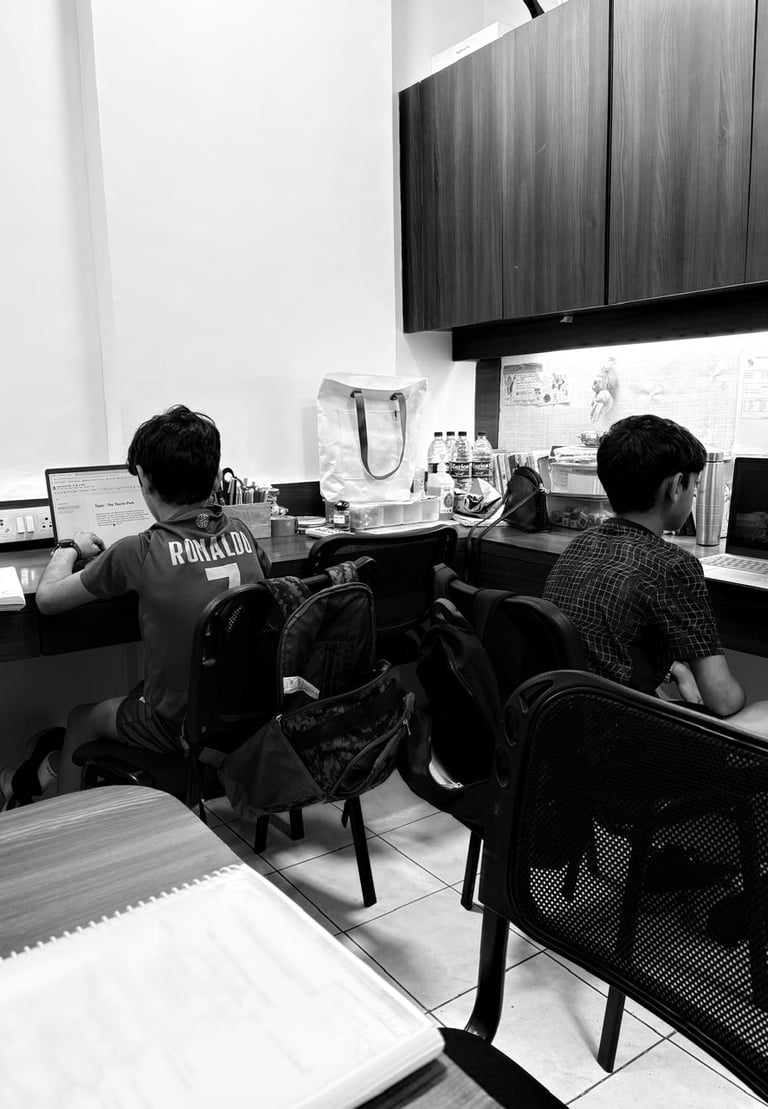

Why English Classes Are Essential for Students
Global Communication
English is the most widely spoken language worldwide, serving as a bridge across cultures and countries. Students who learn English can access international media, collaborate with peers globally, and participate in cross-cultural conversations.
Academic Success
Many textbooks, research papers, and online resources are published in English Vedantu. Proficiency in English helps students excel in subjects beyond language—science, technology, and humanities often rely on English materials. Exams like IELTS, TOEFL and SAT require strong English skills for admission to universities abroad.
Career Opportunities
English is the dominant language in business, technology, and international trade. Employers value candidates who can write professional emails, deliver presentations, and negotiate in English.
Critical Thinking & Creativity
English classes go beyond grammar—they teach analysis, persuasion and interpretation learn-to-speak. Students learn to evaluate literature, craft arguments, and express ideas clearly, which strengthens problem-solving skills.
Challenges & Considerations
• Overemphasis on English can sometimes overshadow local languages and cultural identity.
• Students may feel anxiety or pressure if English is taught rigidly rather than joyfully.
The best approach at The Writing Studio is that of a balanced teaching, valuing English as a tool while respecting native languages.
Contact Us


You can also use the contact form below to share your requirements, grade, and board—and we’ll get back to you shortly.
Phone: +91 98209 41662
email: contact@thewritingstudio.in
Location: Mumbai
Power Tutorials for English Language & Literature
Enhance your English skills with expert guidance.
The Writing studio
+91 98209 41662
The Writing Studio © All rights reserved. 2026